How can San Antonio geeks start making cosplay props and tech projects?

San Antonio geeks should start with a small, finishable project and use local resources for the parts they cannot do at home: Geekdom for tech community, libraries for research and digital learning, local shops for tabletop and community signals, and maker education programs for tools like 3D printers, sewing machines, and electronics benches.
San Antonio has a different maker rhythm from Austin or Dallas. It is community-heavy, practical, and easier to navigate when you build relationships before you need emergency help.
That matters for cosplay, hardware, and tabletop lifestyle projects. The best advice often comes from the person who has already melted the wrong plastic in August.
San Antonio local entities for maker geeks
Use these as orientation points, then verify current access, hours, and policies.
- Geekdom: A downtown tech and coworking anchor useful for software, startup, cybersecurity, and hardware-adjacent networking.
- San Antonio Public Library: Useful for research, digital resources, quiet planning, and community classes.
- Central Library downtown: A strong local landmark for study time, planning, and creator meetups.
- Knight Watch Games: A tabletop community signal and themed gaming space where local builders often overlap with RPG and miniature hobbies.
- Bexar County creative and education programs: Worth checking for sewing, CAD, electronics, photography, and fabrication learning.
- Downtown and River Walk convention areas: Important for understanding costume mobility and packing.
San Antonio's maker advantage is not one magic building. It is the overlap between tech people, tabletop people, artists, educators, and convention regulars.
Best first projects for San Antonio makers
Choose something that can be finished in a few weekends and improved later. Finished mediocre beats ambitious abandoned.
- A 3D printed con badge holder with a magnetic back.
- A foam spellbook cover for a tabletop character.
- A small LED potion bottle or sci-fi core.
- A dice tray with engraved or painted details.
- A lightweight pauldron for a fantasy or armor cosplay.
- A modular snack and repair kit for convention weekends.
- A Raspberry Pi or microcontroller display for a desk setup.
Each project teaches measurement, materials, finishing, and transport. Those are the real skills behind bigger builds.
3D printing cosplay props in San Antonio
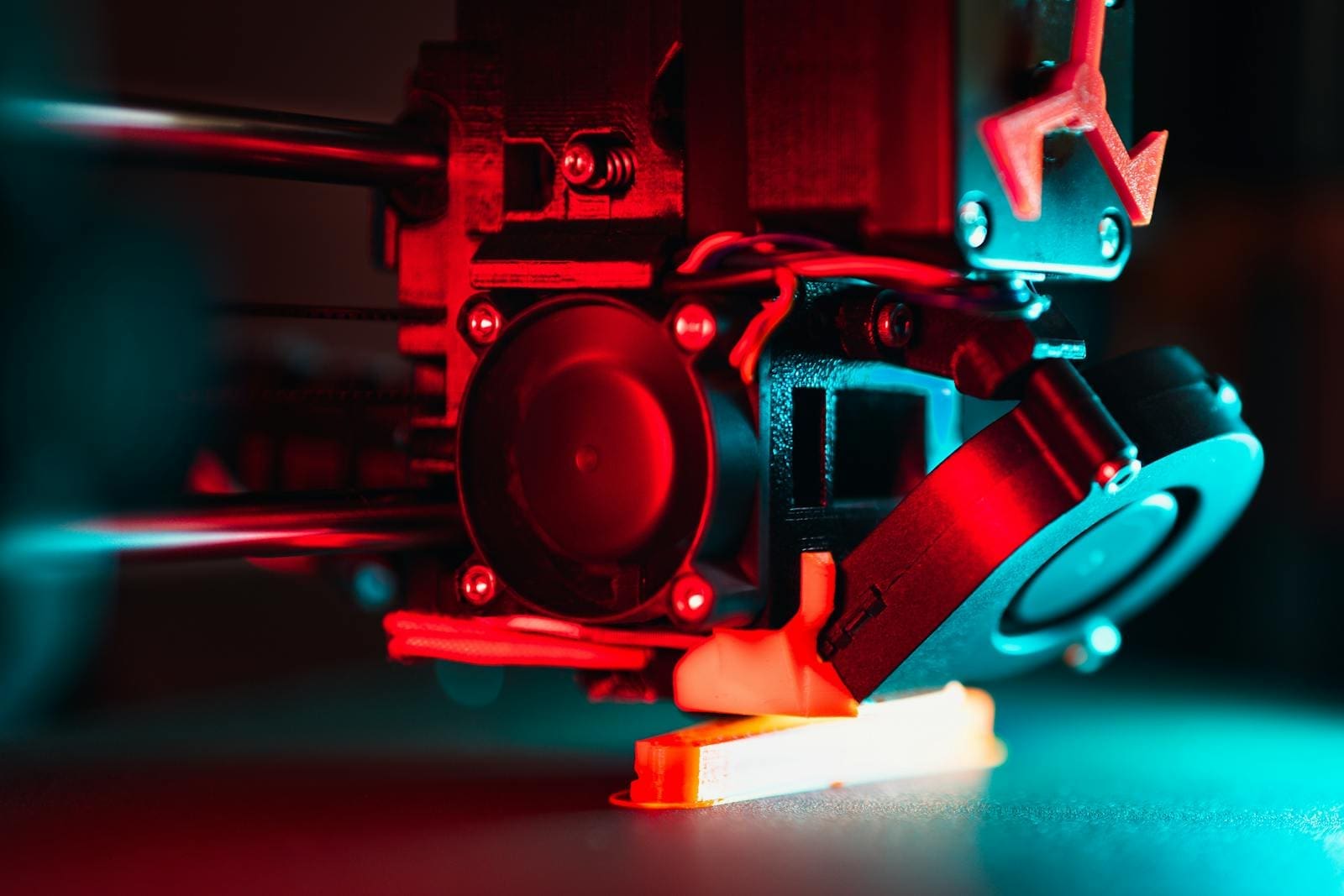
3D printing is useful, but it is not a shortcut around design. A printer can make a bad file physical, and it will do so slowly.
Before printing, ask:
- Is the part better as foam, fabric, wood, acrylic, or printed plastic?
- Will the part sit in a hot car?
- Does the print need sanding, filler, primer, and paint?
- Can the part attach mechanically to straps or fabric?
- Will the finished prop pass a general convention safety check?
- Can the print be split into pieces that fit the machine?
For helmets and armor, print a sizing ring or small test section first. A full helmet that almost fits is not a helmet; it is expensive shelf decor.
San Antonio cosplay workflow
San Antonio conventions and meetups often involve downtown walking, hotel movement, garages, restaurants, and crowded interiors. Build for that route.
- Plan the route: parking, hotel, venue, food, photos, and return.
- Design the costume: mobility first, silhouette second, detail third.
- Prototype the hard parts: cardboard and tape are honest.
- Make the final parts: print, cut, sew, glue, wire, and paint.
- Wear-test locally: stairs, sitting, phone, water, and restroom check.
- Pack repairs: straps, glue, thread, batteries, and touch-up paint.
This is less glamorous than a time-lapse build video. It also works.
How Geekdom fits into maker tech
Geekdom is not just a place to open a laptop. For maker-tech people, it is a signal that San Antonio has a downtown corridor where software, startups, cybersecurity, and creator culture can meet.
Use it for:
- Finding tech meetups with hardware-adjacent members.
- Meeting people who understand product thinking.
- Working through software parts of a physical project.
- Connecting with founders, developers, and community organizers.
- Learning how local tech people talk about tools and problems.
If your cosplay prop uses sensors, sound, LEDs, local AI, or a companion app, the software community becomes part of the build.
San Antonio FAQ
Is San Antonio a good city for beginner makers?
Yes. San Antonio is especially good for builders who learn through community, libraries, meetups, tabletop groups, and small practical projects.
Do I need a makerspace membership to start?
No. Start with planning, hand tools, public learning resources, and small projects. Join or visit a maker space when you know which tools you need.
Where should San Antonio cosplayers take photos?
Research downtown, parks, libraries, historic areas, and venue-adjacent spaces, but always confirm rules for photography, props, tripods, and commercial shoots.
What is the biggest local cosplay mistake?
Ignoring walking distance and heat. A costume that works for ten minutes indoors may fail after parking, stairs, crowds, and summer weather.
Local maker tip
San Antonio builders should make "con mode" part of the design. If the costume cannot handle a River Walk detour, a hotel elevator, and a crowded gaming room, simplify it before adding more detail.
Image credit: sourced from Pexels or Pixabay as a category-relevant stock image. Verify current hours, policies, prices, and schedules on official venue or event pages before you go.


Leave a Reply