Where should Houston geeks start with maker tech and cosplay fabrication?

Houston geeks should start with project-first planning: use TXRX Labs and other local education or maker resources for tools, use Houston's convention and theater communities for build standards, and choose materials that survive humidity, parking lots, and long walks through large venues. Verify current access before planning around any shop.
Houston is a big build city because it has serious engineering energy and a huge pop culture audience. The same metro that supports aerospace, medical, energy, and port logistics also supports people who want a glowing staff, a clean mando helmet, or a portable display for artist alley.
The trick is not finding ambition. The trick is building something that survives Houston.
What makes Houston different for makers?
Houston projects need to account for distance, weather, and venue scale. A prop that is comfortable in a garage may feel completely different after parking, walking, waiting, and moving through a crowded convention center.
Useful local entity signals include:
- TXRX Labs: A well-known Houston maker and education space tied to fabrication, electronics, woodworking, machining, and community learning.
- George R. Brown Convention Center area: A common reference point for major pop culture events and downtown logistics.
- Houston Public Library: Useful for research, digital learning, quiet planning, and community programs.
- East End and Second Ward creative corridors: Areas often associated with studios, workshops, murals, and maker-adjacent energy.
- Houston cosplay and anime communities: Strong peer networks for advice on comfort, photos, and repair kits.
Use local entities as anchors, then verify the current details. Schedules, classes, and event footprints can change faster than search snippets.
How to choose a Houston build workflow
Start by deciding whether your project is a costume, a prop, a product prototype, or a booth asset. Those categories overlap, but they fail in different ways.
- Costume builds fail when they ignore heat, sweat, flexibility, and bathroom logistics.
- Prop builds fail when they are too heavy, too fragile, or not convention-safe.
- Product prototypes fail when they look good once but cannot be repeated.
- Booth assets fail when they are hard to transport, hard to set up, or unreadable from the aisle.
Houston builders should think like field engineers. If the project cannot survive a hot vehicle, a dolly ride, a crowded hallway, and a quick repair, it is not done.
3D printing cosplay props in Houston
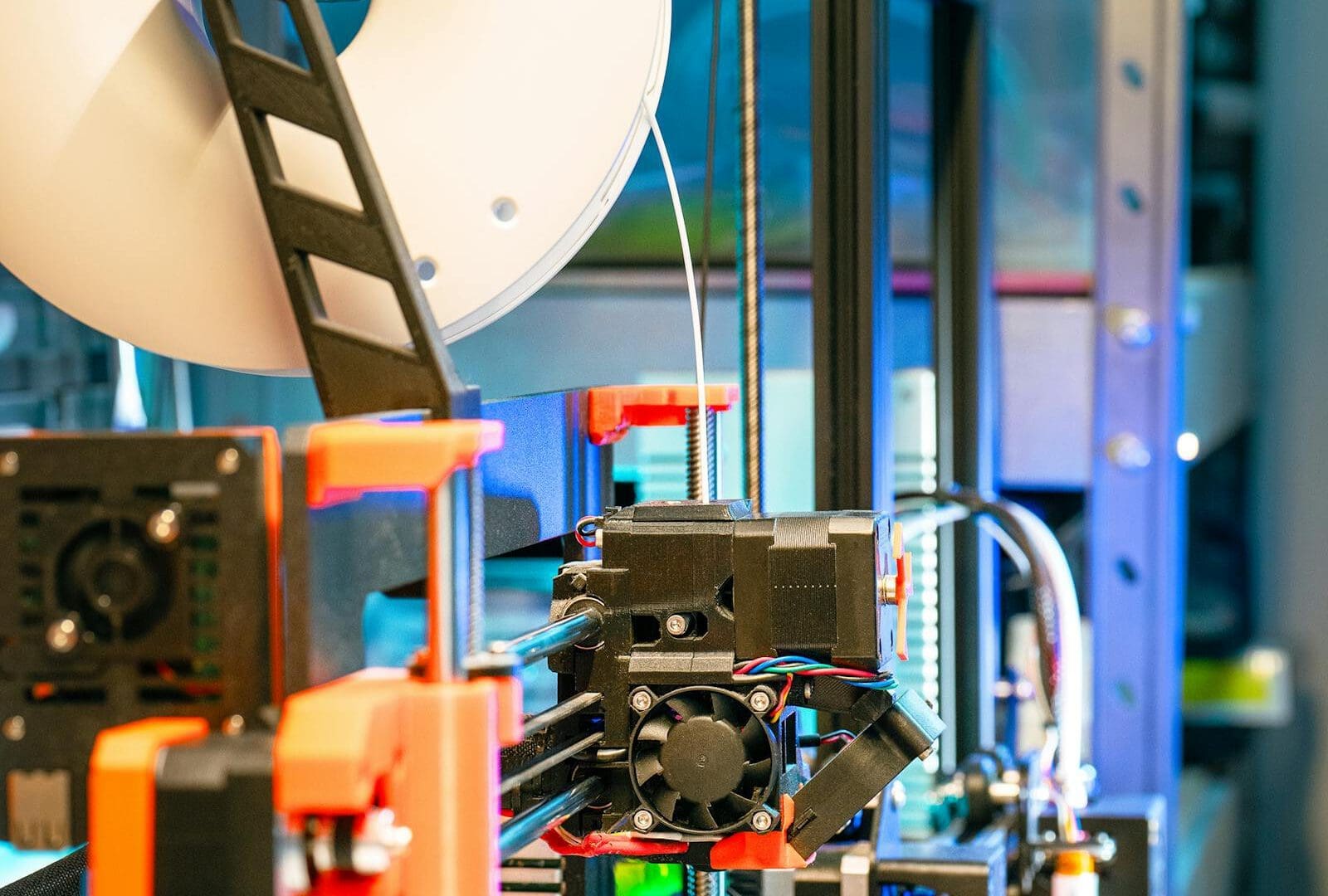
Houston humidity and heat make material choices matter. PLA can work for many indoor props, but thin parts left in hot vehicles may soften or deform. PETG, ABS-like resin, or stronger materials may fit some use cases, but each brings different safety, ventilation, and finishing requirements.
Practical print guidance:
- Print small test coupons before committing to a full helmet or armor part.
- Design hidden seams where sanding and filler can reach them.
- Add mechanical attachment points instead of relying only on glue.
- Keep wall thickness realistic for drops and transport.
- Label parts during multi-day print jobs.
- Build a failed-print budget into the plan.
If you use a community shop, ask about approved filaments, resin handling, cleanup, and failed-job policies. Shared printers are community infrastructure, not personal vending machines.
Houston cosplay photo and transport planning
Houston has strong urban, museum, park, and industrial backdrops, but permission and comfort matter. Public-looking spaces may still have photography rules, security policies, or parking constraints.
Before a shoot, check:
- Whether photography is allowed at the location.
- Whether tripods, lights, or large props require approval.
- Whether the costume can handle wind, heat, and walking.
- Where the repair kit and water will stay.
- Whether the photographer has a rain or indoor backup.
For downtown or convention shoots, pack less than you think you need and more repair supplies than you think you need.
Houston FAQ
Is TXRX Labs only for experienced makers?
No. Spaces like TXRX Labs are commonly used for learning as well as building, but access depends on current classes, memberships, and tool rules. Check the latest onboarding process before planning a project there.
What is the safest cosplay material for Houston heat?
There is no single safest material. EVA foam, printed plastics, fabric, resin, and thermoplastics all behave differently. The safest choice is the one you have tested for heat, weight, flexibility, and repair.
Can I build a full cosplay without a garage in Houston?
Yes, but you need a cleaner workflow. Use small modular parts, community tool access, outdoor-safe sanding plans, and finishing methods that do not violate apartment rules.
How early should I start before a Houston convention?
For a serious costume, start months ahead. For a smaller prop or upgraded casual cosplay, several focused weekends can work if the design is realistic and you avoid late-stage feature creep.
Local maker tip
Houston rewards modular builds. Anything that breaks down into labeled pieces, fits in a car cleanly, and can be repaired at a hotel table will beat a dramatic one-piece build that only looks good in the garage.
Image credit: sourced from Pexels or Pixabay as a category-relevant stock image. Verify current hours, policies, prices, and schedules on official venue or event pages before you go.


Leave a Reply