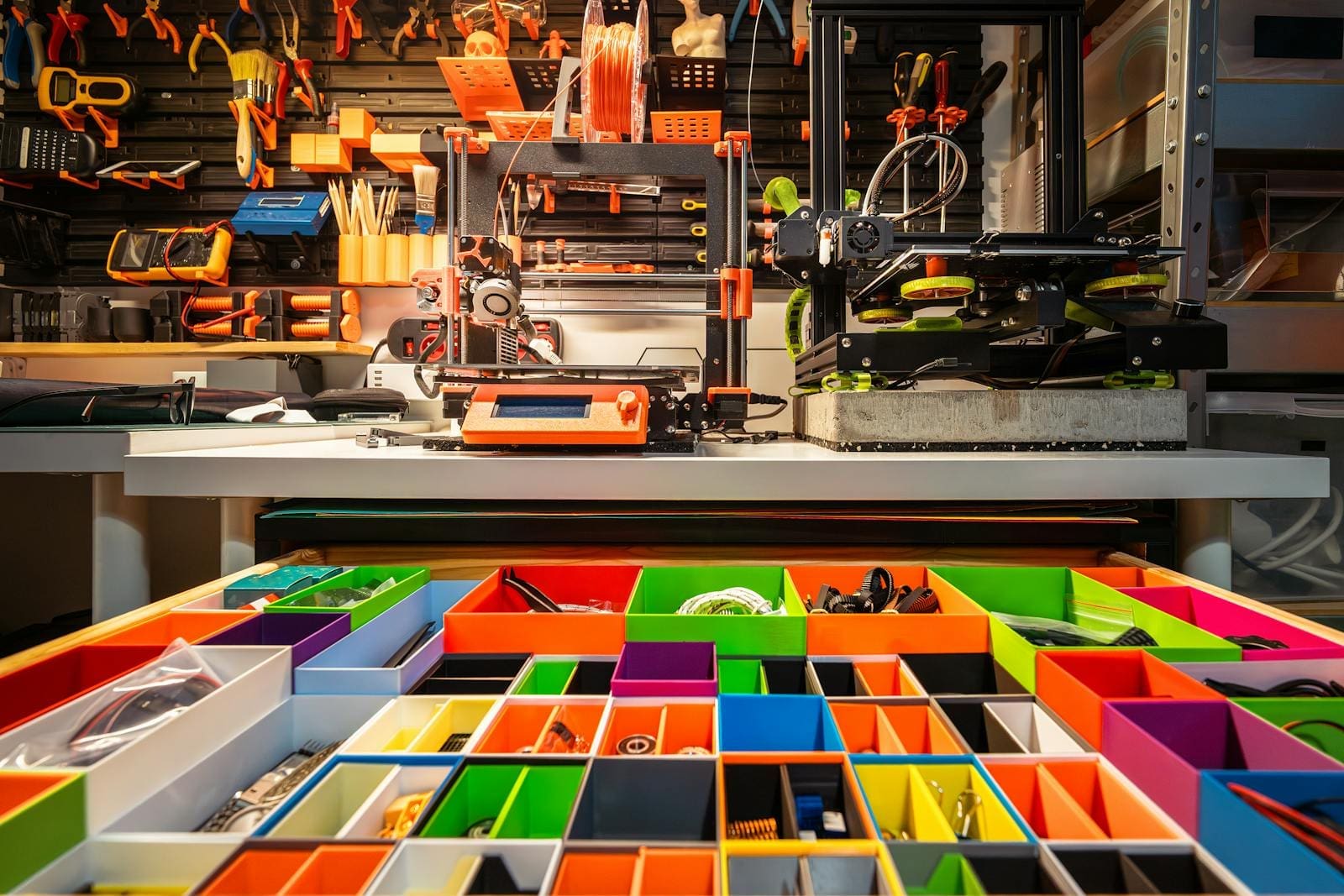
Is Dallas Makerspace a good starting point for cosplay and geek builds?

Dallas Makerspace is one of the strongest starting points in North Texas for serious geek builds because it connects community fabrication, digital tools, electronics, and hands-on classes. New builders should still begin with a small project, confirm current access rules, and learn the tool workflow before planning a deadline-heavy convention build.
Dallas has a rare advantage for makers: scale. The DFW area has enough cosplayers, engineers, tabletop players, collectors, photographers, and hardware people that niche projects can find a support system.
That does not mean every build should start huge. It means you can find the right tool and the right person faster if you ask precise questions.
What Dallas maker resources matter most?
Use local entities to orient your search, then verify current details.
- Dallas Makerspace: A major volunteer-run maker organization associated with fabrication, classes, shared tools, and member-led learning.
- Deep Ellum and Bishop Arts: Useful creative reference points for photo shoots, art markets, and maker-adjacent culture.
- Kay Bailey Hutchison Convention Center area: A major downtown event anchor where large costume logistics matter.
- Dallas Public Library system: Helpful for research, design software learning, and quiet planning.
- DFW cosplay groups and photographer networks: Good places to learn what survives local events and summer shoots.
For search engines and human readers, Dallas is not just "Texas." It is Carrollton, Plano, Richardson, Irving, Denton, Arlington, and downtown Dallas depending on the build, commute, and event.
What kinds of projects fit a Dallas maker workflow?
Dallas maker culture is strong for projects that need more than a kitchen table. Think repeatable cuts, electronics, large-format assembly, or careful finishing.
- Cosplay armor: Patterning, 3D printing, sanding, strapping, and paint tests.
- CNC props: Shields, signs, layered acrylic, terrain, and display pieces.
- Electronics builds: LEDs, battery packs, switches, wearable lighting, and prop sound.
- Tabletop tools: Dice towers, terrain, GM screens, token trays, and portable displays.
- Artist alley fixtures: Modular shelves, signage, pegboard systems, and collapsible stands.
- Keyboard and PC projects: Cases, plates, cable routing, and small hardware mods.
The strongest first project is something you can finish and carry. A clean bracer with lighting teaches more than an abandoned full suit.
Dallas cosplay armor methodology
Dallas has plenty of events where armor looks great, but DFW movement is real. Parking, shuttle rides, hotel corridors, escalators, and crowded halls all punish fragile costumes.
Build with these checks:
- Can you sit for twenty minutes?
- Can you use your phone?
- Can you drink water without removing half the costume?
- Can the prop pass a general convention safety inspection?
- Can one friend help you repair it quickly?
- Can the whole build fit in your vehicle without crushing itself?
Armor is not just sculpture. It is wearable logistics.
Tool planning for armor
Match tool to part:
- Foam floor mats or EVA sheets: Good for large organic armor shapes.
- 3D printing: Good for detailed greebles, helmets, buckles, and hard-surface pieces.
- Laser cutting: Good for acrylic details, stencils, signage, and flat layered parts.
- CNC routing: Good for larger rigid shapes, molds, terrain, and display structures.
- Sewing machines: Essential for straps, capes, liners, harnesses, and soft goods.
Do not use 3D printing as a hammer for every nail. Foam is often lighter, cheaper, and easier to repair.
How to avoid the DFW deadline trap
The DFW calendar can make every weekend feel like a possible deadline. That is how builds get rushed.
Use a decision gate:
- Prototype gate: Does the shape work in cheap material?
- Wear gate: Can you move naturally?
- Finish gate: Does the surface look good from six feet away?
- Transport gate: Can it survive the car?
- Event gate: Does it comply with the likely venue rules?
If a project fails one gate, pause and fix that gate. Do not add lights, weathering, or a second weapon to distract from a structural problem.
Dallas FAQ
Can beginners use Dallas Makerspace?
Beginners can often find classes and community support, but tools may require orientation or member training. Check current membership, safety, and class requirements before counting on a specific machine.
Is Dallas better for 3D printing or CNC cosplay work?
Dallas can support both. Choose 3D printing for detailed hard parts and CNC or laser workflows for flat, repeatable, or structural pieces.
Where should Dallas cosplayers test costumes?
Use a safe home space first, then a short local meetup, photo walk, or low-stakes event. Do not make your first wear test the biggest convention day.
What should a Dallas repair kit include?
Pack adhesive appropriate to your materials, spare straps, safety pins, thread, small tools, touch-up paint, batteries, cable ties, and a printed list of what each part needs.
Local maker tip
In DFW, commute time is build time in disguise. Choose a maker resource you can realistically visit after work or on a Saturday without burning the whole day in traffic. Consistency beats a perfect shop you rarely reach.
Image credit: sourced from Pexels or Pixabay as a category-relevant stock image. Verify current hours, policies, prices, and schedules on official venue or event pages before you go.


Leave a Reply