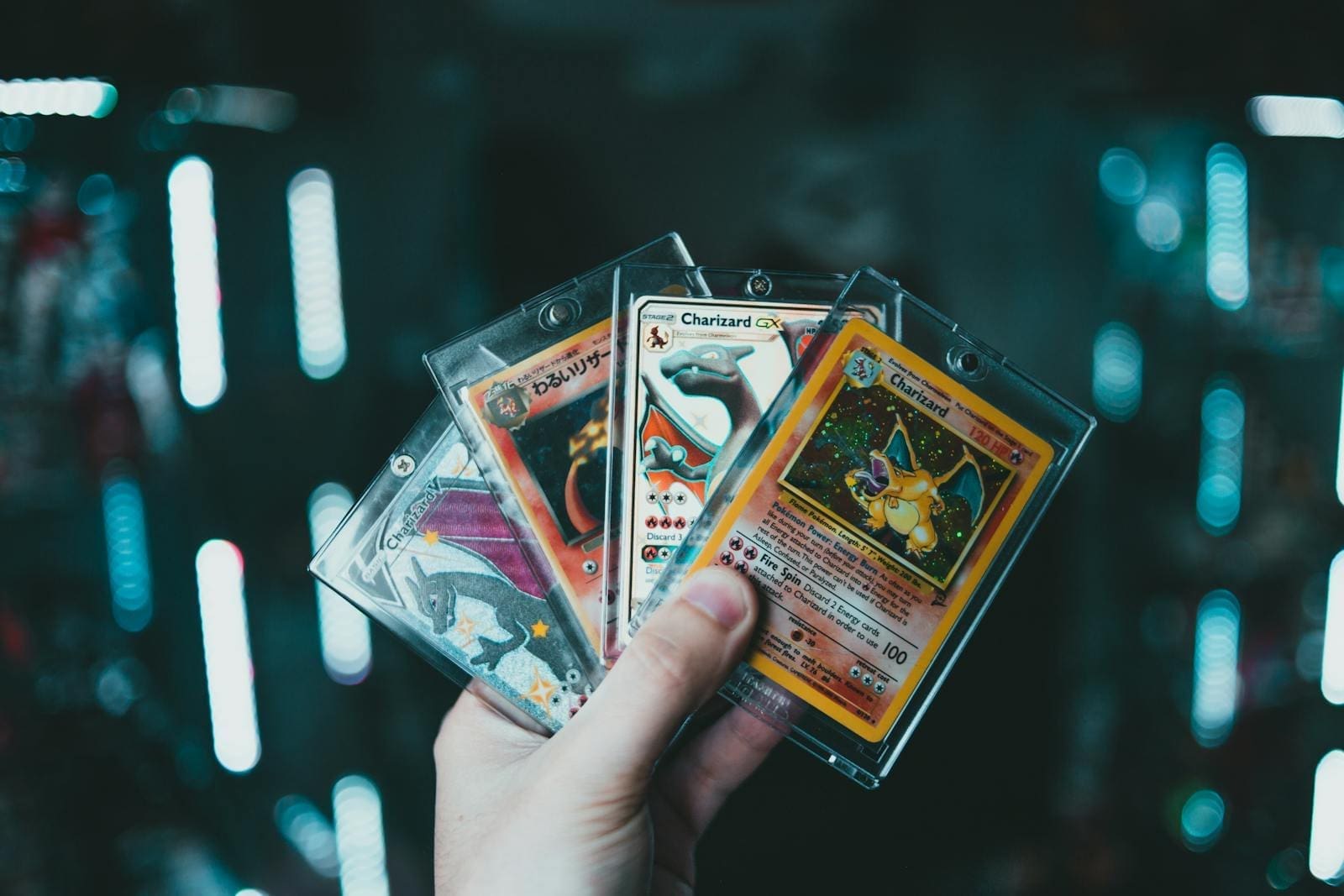
The Texas MTG Collectibles Scene in 2026
Texas is one of the most active states for MTG collectibles in 2026, with dedicated grading submission services, Reserved List singles, and collector-focused inventory at stores like Dragon’s Lair Austin, Coral Sword Houston, Common Ground Games Dallas, and Knight Watch Games San Antonio. Whether you are chasing a PSA 10 Black Lotus or a NM Underground Sea, the Texas LGS network has more options than most collectors realize.
Magic: The Gathering stopped being just a card game a long time ago. For a growing number of Texas players, it is also a collecting hobby — one with real financial stakes. Graded slabs, Reserved List staples, and vintage singles now sit alongside booster packs at shops across the state. If you are new to the collectibles side of MTG, or you are a longtime player wondering whether your old cards are worth grading, this guide breaks down everything you need to know from a Texas perspective.
Understanding PSA Grading and What It Means for MTG Cards
Grading services like PSA (Professional Sports Authenticator) and BGS (Beckett Grading Services) evaluate MTG cards on centering, corners, edges, and surface condition, then assign a numeric grade from 1 to 10. A PSA 10 is considered gem mint and commands a dramatic premium over ungraded copies. A PSA 9 is still highly desirable and far more attainable for vintage cards that have been in collections for decades.
For context on value: an ungraded Near Mint Unlimited Edition Black Lotus trades in the $20,000–$30,000 range depending on the market. A PSA 9 example routinely clears $60,000 or more. Even mid-tier Reserved List cards like City of Traitors or Gaea’s Cradle see meaningful price jumps when graded at PSA 8 or above. The slab authenticates the card and freezes it in a protected case, making it easier to sell and store long term.
- PSA 10 Gem Mint — Perfect centering, no print lines, flawless surface
- PSA 9 Mint — Minor imperfections only visible under magnification; most desirable for vintage cards
- PSA 8 Near Mint–Mint — Light play wear; still commands a solid premium over raw copies
- BGS 9.5 Gem Mint — Beckett’s strict subgrades can reward truly perfect modern foils
Where to Submit MTG Cards for Grading in Texas
You do not have to ship your cards directly to PSA or Beckett yourself. Several Texas LGS locations and local collector communities run group submission services, which reduces per-card fees and simplifies the process for first-timers.
- Dragon’s Lair Austin (Burnet Rd) — Long-running Austin shop with collector-focused staff who can advise on grading-worthy candidates and have facilitated group submissions for local players
- Knight Watch Games (San Antonio, Nacogdoches Rd) — SA’s premier singles destination; staff knowledgeable about high-value vintage and can point collectors toward reputable submission options
- Coral Sword (Houston) — Boutique MTG shop with a strong collector customer base; known for stocking Reserved List singles and assisting with grading inquiries
- Common Ground Games (Dallas) — Dallas staple with a competitive and collector crowd; hosts discussions around investment-grade MTG and submission logistics
- Sci-Fi Factory (Fort Worth) — Broad collectibles shop that bridges TCG cards and pop culture grading, useful if you are grading mixed collections
Before committing to a group submission, always verify current turnaround times directly with PSA or BGS — processing windows have ranged from weeks to months depending on submission tier. Shops can help you choose the right service level for your timeline and budget.
The Reserved List: Cards Wizards Will Never Reprint
In 1996, Wizards of the Coast issued the Reserved List — a formal promise never to reprint roughly 500 cards from early Magic sets. The list was created to protect collectors who had invested in those cards after the perceived value damage caused by the Revised and Chronicles reprints. Wizards has reaffirmed this commitment multiple times, most recently under Hasbro ownership, though debates about its future never fully disappear.
The most famous Reserved List cards are the Power 9: Black Lotus, Mox Pearl, Mox Sapphire, Mox Jet, Mox Ruby, Mox Emerald, Ancestral Recall, Time Walk, and Timetwister. Equally important to many collectors are the Dual Lands — the ten original Alpha/Beta/Unlimited taplands like Volcanic Island and Tundra that are the backbone of Legacy and Vintage formats.
- Power 9 — The most iconic and expensive Reserved List cards; Black Lotus is the Holy Grail
- Original Dual Lands — Volcanic Island, Underground Sea, Tropical Island, Bayou, and six others; heavily played and collected
- Gaea’s Cradle — Urza’s Saga; one of the most demanded non-Power Reserved List cards
- City of Traitors — Exodus; Legacy staple with consistent collector demand
- The Tabernacle at Pendrell Vale — Legends; extremely rare and sought after
Finding these cards in Texas is genuinely possible. Coral Sword in Houston and Dragon’s Lair Austin regularly stock Reserved List singles, and Common Ground Dallas hosts buylist events where older collections surface. Prices follow the global TCGPlayer and CardMarket benchmarks, but local purchases let you inspect condition in person — critical for high-dollar singles.
Investment Mindset vs. Gameplay Mindset: Which One Are You?
The MTG community has a running tension between collectors who treat cards as financial assets and players who want to sleeve them up and cast them. Neither approach is wrong, but they pull in different directions. An investment-minded collector wants pristine, unplayed copies in slabs. A gameplay-minded collector might accept a Heavily Played Dual Land for a fraction of the NM price because it hits the battlefield the same way.
Texas players tend to be pragmatic. At stores like Knight Watch Games and Dice Drop SA, you will find players who run real Reserved List cards in Legacy decks — HP Volcanic Islands and all. At the same time, the collector community at Dragon’s Lair Austin and Coral Sword Houston increasingly treats high-grade vintage as portfolio items. The hybrid approach is also common: players buy for play first, grade their best pulls, and hold long term.
One financial reality worth knowing: the Reserved List card market is illiquid compared to stocks or even sports cards. Prices can spike with format announcements and compress during market-wide sell-offs. If you are buying primarily as an investment, budget for a multi-year hold horizon and focus on the most format-playable cards, which tend to maintain demand floors better than obscure Reserve List entries.
How to Store Valuable MTG Cards in Texas
Texas heat and humidity are genuine threats to high-value cards. Summer temperatures regularly exceed 100°F, and if cards are stored in a garage, car, or un-air-conditioned space, warping and moisture damage can occur quickly. For serious collectors, climate-controlled storage is not optional — it is the baseline.
- Double-sleeve with penny sleeves + perfect fit sleeves — Standard protection for played copies; prevents edge wear during shuffling
- Hard rigid top-loaders or card savers — Necessary for any card you plan to submit for grading; keep cards flat and corner-safe
- Binder storage with acid-free pages — Appropriate for mid-value collections; use binders designed for trading cards, not generic photo albums
- Fireproof, waterproof safe or safety deposit box — For Power 9, Dual Lands, or any card above $500 in value; a home safe rated for documents is adequate for most collectors
- Climate-controlled environment — Store in an air-conditioned room year-round; avoid attics, garages, or vehicles during Texas summers
FAQ
Is MTG card collecting worth it in Texas?
It depends on your goals. Texas has a healthy resale market, active LGS communities, and buyers at stores like Common Ground Dallas, Coral Sword Houston, and Dragon’s Lair Austin, which means liquidity is real if you buy the right cards. Reserved List staples have historically held value over long periods, but the market is illiquid and price swings happen. Collect what you love first, treat any financial upside as a bonus, and always verify current market prices on TCGPlayer before buying or selling.
Where can I get MTG cards graded in Texas?
Several Texas LGS shops facilitate group PSA or BGS submissions, including Knight Watch Games in San Antonio and Dragon’s Lair Austin. You can also submit directly through PSA’s website or Beckett’s portal without going through a shop. Group submissions typically reduce per-card fees, so ask your local store if they coordinate them. Always confirm current turnaround times directly with the grading service, as processing windows change frequently.
What are Reserved List cards?
The Reserved List is a commitment Wizards of the Coast made in 1996 never to reprint approximately 500 cards from early Magic sets, including the Power 9 and original Dual Lands. The goal was to protect collector investment after perceived value damage from earlier reprints. These cards are heavily collected and played in Legacy and Vintage formats. You can find Reserved List singles at Coral Sword Houston, Dragon’s Lair Austin, Common Ground Dallas, and Knight Watch Games San Antonio, among other Texas LGS shops.
How do I store valuable MTG cards in Texas?
Climate control is the most critical factor — Texas summers can warp or humidity-damage cards stored in non-air-conditioned spaces. Use penny sleeves plus rigid top-loaders for individual high-value cards, and store your most valuable pieces in a fireproof, waterproof safe or safety deposit box. For cards you plan to submit for grading, keep them flat in card savers to avoid corner dings before submission. Avoid garages, attics, and vehicles during summer months.
Are graded MTG cards selling well in 2026?
Yes, the graded MTG card market remains active in 2026, particularly for Power 9 and iconic Reserved List cards in PSA 9 and 10. High-grade examples of Black Lotus, Dual Lands, and format staples continue to attract serious collector and investor interest. However, as with any collectibles market, prices fluctuate and some mid-tier graded cards have softened compared to pandemic-era peaks. Before buying graded MTG cards as an investment, research recent sold listings on eBay and TCGPlayer and verify with local dealers at stores like Coral Sword or Dragon’s Lair for current Texas market conditions.


Leave a Reply